Social media has transformed how we search for our next equine partner, but it has also created opportunities for scammers and unscrupulous sellers. At Colorado Horse Rescue, we see the aftermath when things go wrong: horses misrepresented, buyers taken advantage of, and horses ending up in precarious situations.
Whether you’re dreaming of your first horse or ready to start seriously shopping, knowing what to watch for can save you heartbreak, financial loss, and help ensure the horse you bring home is truly the right fit. Here are 10 critical red flags to watch for when browsing horses on Facebook, Instagram, Craigslist, and other online platforms.
1. The Price is Too Good to Be True
The Red Flag
A well-bred, well-trained horse listed for under $3,000-$5,000.
Why It Matters:
Quality horses with solid training simply don’t go for bargain prices unless there’s a serious underlying issue. Scammers know that people looking for their “dream horse on a budget” are vulnerable to deals that seem too good to pass up. At Colorado Horse Rescue, we regularly hear of horses purchased cheaply online who turned out to have expensive medical needs, dangerous behavioral issues, or simply weren’t what the seller claimed. The “bargain” often ends up costing far more in the long run.
How To Avoid:
Research average prices for the breed, age, and training level you’re seeking. If a listing is dramatically below market value, ask yourself: why? A reputable seller will price fairly and explain any legitimate reasons for a lower price (horse needs specific home, owner’s circumstances changed, etc.).
2. Photos That Look Stolen or Filtered
The Red Flag
- Watermarks on photos that don’t match the seller’s account
- Multiple heavily filtered, “Instagram-perfect” photos but no clear, unedited conformation shots
- Photos that look like they came from a horse show but the seller claims no show record
- The same horse appearing on multiple sites at different prices
Why It Matters:
Scammers steal photos from legitimate horse owners’ social media accounts and repost them as if the horse is theirs to sell. A reverse image search of the photo often reveals it belongs to someone else entirely.
How to Avoid:
- Do a reverse Google image search of any photos that raise suspicion
- Ask for specific additional photos or videos (a particular angle, the horse doing a specific activity, with today’s date visible)
- Look for consistency: does the horse, tack, and location match across all photos?
- If there’s a watermark, Google it or search on social media to find the actual owner

3. The Seller Won’t Video Call or Talk on the Phone
The Red Flag:
Communication limited exclusively to text messages or email. Seller makes excuses when you ask for a phone call or video chat to see the horse. Red flags in conversation include vague answers, contradictory information, or refusal to discuss specific details.
Why It Matters:
Legitimate sellers want to find good homes for their horses and are happy to talk with serious buyers. Scammers avoid voice and video contact because it’s harder to maintain their fabricated story and they may have language barriers or be operating from overseas.
How to Avoid:
Insist on at least one phone conversation before visiting. Ask for a video call so you can see the horse in real-time. A seller who genuinely has the horse will accommodate reasonable requests.
4. Inconsistencies in the Horse’s Description
The Red Flags:
- Description says “mare” but photos clearly show a gelding
- Listed height doesn’t match what’s visible in photos
- Discipline/training described doesn’t match the tack or setting in photos/videos
- Story about the horse changes between messages
- Grammar and tone in the ad don’t match the seller’s actual messages
Why It Matters:
These inconsistencies suggest either a scam (stolen photos or ad description) or a seller who doesn’t actually know the horse—both are red flags.
How to Avoid:
Pay attention to details. If the ad says “quiet trail horse” but all the videos show someone jumping courses at shows, something’s off. If the seller claims the horse has “no show record” but you’re watching show footage, ask why.

5. Pressure to Send Money Before Seeing the Horse (or Before Proper Documentation)
The Red Flags:
- Seller needs a deposit immediately or the horse will be sold to someone else
- Claims horse is “out of town” or “at a show” and you should send money for transport
- Offers to ship the horse to you but needs payment first
- Asks for payment via wire transfer, Venmo, CashApp, or other hard-to-trace methods
- Won’t provide a bill of sale before payment
- For Colorado: Seller promises to “handle the brand inspection after you pay”
- Says you can “arrange the paperwork later”
Why It Matters:
Once your money is sent via wire transfer or similar methods, it’s nearly impossible to recover. This is the endgame of most horse sale scams. And in Colorado, if proper ownership transfer documentation (including brand inspection) isn’t in place, you may not legally own the horse even if you’ve paid for it. No legitimate sale should proceed without addressing brand inspection requirements upfront.
Horses are not items to be shipped sight-unseen. Any legitimate seller understands that responsible buyers need to meet the horse, have a veterinary exam, ensure proper ownership documentation is in order, and confirm it’s a good fit before committing financially. Pressure to skip these steps is a massive red flag.
How to Avoid:
Never, ever send money before seeing the horse in person, wire funds to anyone other than the verified owner, send deposits to third parties or “shippers”, complete purchase before brand inspection documentation is verified, or pay before receiving a signed bill of sale with both parties’ information.
6. No Pre-Purchase Exam Allowed (Or Won’t Provide Medical Records)
The Red Flags:
- Seller refuses to allow a pre-purchase veterinary examination, or insists you can only use a vet they specify
- Won’t provide past veterinary records or claims they “don’t have any”
- Becomes defensive or evasive when asked about the horse’s medical history
- Says the horse “has never needed a vet” (highly unlikely for any horse)
- Records provided don’t match the horse’s age or claimed history
Why It Matters:
A pre-purchase exam is your snapshot of the horse’s current health and soundness, but past veterinary records tell a fuller story. They reveal patterns: recurring lameness, chronic conditions, ongoing treatments, previous injuries, and whether the horse has been consistently cared for. Together, these give you the complete picture.
The “Show Vet” Scam:
Some scammers claim the horse is currently at a show and can only be examined by the show vet (who may not exist or may be complicit in the fraud). Or they’ll offer records from “their vet” that have been altered or fabricated.
What Past Records Should Show:
- Routine preventative care (vaccines, deworming, dental work)
- Any injuries, illnesses, or surgeries
- Medications or supplements given
- Lameness evaluations or treatments
- X-rays, ultrasounds, or other diagnostics
- Farrier records and hoof care history
Red Flags in Records:
- Gaps in care suggesting neglect or inconsistent ownership
- Multiple lameness treatments or chronic soundness issues
- Recent expensive treatments right before sale (seller may be offloading a problem)
- Behavioral medications or supplements not disclosed in the listing
- Evidence of conditions that require ongoing management
How to Avoid:
Consider adopting a rescue horse! At Colorado Horse Rescue, every horse receives comprehensive veterinary evaluation upon arrival and throughout their time with us. When a horse is adopted, we provide:
- Complete veterinary records from their time at CHR
- Historical health records if available from previous owners
- Forward-looking care plans detailing ongoing needs (farrier schedule, date of next annual wellness veterinary exam, any grain requirements, any special considerations)
- Transparency about any medical conditions or maintenance requirements
Reputable rescues like CHR believe adopters deserve to know exactly what they’re taking on—the good, the challenging, and everything in between.
If purchasing online:
- Hire your own, independent veterinarian for a pre-purchase exam
- Request and review all available veterinary records before purchase
- Ask for complete veterinary records upfront, before scheduling a pre-purchase exam
- Have your vet review records first—they may recommend specific tests based on history
- Be wary of sellers who claim minimal vet history—all horses need routine care
- Look for farrier records too—hoof health tells you a lot about overall care
Bottom Line:
If a seller won’t provide medical records or allow an independent vet exam, be cautious. There is an increased risk when you don’t have any historical health information.

7. Seller Can’t or Won’t Let You See the Horse Being Caught and Handled
The Red Flags:
- Horse is already tacked up and waiting when you arrive for your visit
- Seller won’t let you be present for grooming or saddling
- You’re not allowed to see where the horse lives (stall, pasture)
- Horse appears sweaty, winded, or sedated when you arrive. If a horse arrives sweaty or breathing hard, the seller may have worked off excess energy to make the horse appear calmer than it actually is or given the horse sedatives
- Seller suggests you shouldn’t be there for “boring” parts like catching from pasture
Why It Matters:
How a horse behaves during routine handling tells you as much as how it rides. A horse that’s difficult to catch, uncomfortable or impatient during grooming, or expressing discomfort when saddled may be telling you that there are underlying behavioral or physical challenges.
How to Avoid:
Insist on arriving when the horse is still in the field or stall. Ask to help with catching, grooming, and tacking. Watch every step of the process.
What to Look For:
- Does the horse come when called or approach easily in the pasture?
- Can it be caught without drama?
- How does it behave for grooming, hoof handling, and tacking up?
8. Seller is Vague About the Horse’s History or Training Background
The Red Flags:
- Seller has only owned the horse a short time and knows little about it
- Can’t explain the horse’s background or training history
- Story about why they’re selling keeps changing or doesn’t make sense
- Defensive or evasive when asked basic questions about the horse’s life
- No registration papers, or papers “in the mail” or “lost”
- Can’t tell you or won’t let you speak with previous owners, trainers, or anyone else who has worked with the horse
- Claims to have owned the horse for years but can’t provide specific examples of experiences together
Why It Matters:
A horse’s history shapes everything about it. How it was trained, what it has been trained to do, any traumatic experiences, behavioral quirks, compatibility with different riders—all of this comes from its past. A seller who genuinely knows and cares for the horse should be able to tell you their story.
How to Avoid:
Ask questions like:
- Where did this horse come from? (Breeder, previous owner, rescue, auction)
- How long has the seller owned it? Where did they get it, and why?
- What has the horse been used for? (Trail riding, showing, lessons, pasture pet)
- Who trained it and in what discipline? What’s the horse’s best quality? What’s been most challenging?
- Has it had multiple owners? If so, why?
- Any behavioral issues, quirks, or preferences?
- What’s the horse’s personality like? What does it enjoy? What does it dislike?
- Why is it being sold now?
The “Flip” Warning:
Some people buy horses cheaply (often from auctions or kill pens) and immediately resell them at higher prices with embellished stories. They don’t actually know the horse’s history, training, or temperament. These “flippers” are especially common on social media where they can create compelling narratives with good photos.
How to Avoid:
If the seller’s story doesn’t add up, if answers are consistently vague, or if you get the sense they don’t really know this horse, listen to that instinct. A horse is a 20-30 year commitment. You deserve to know who you’re committing to.
At Colorado Horse Rescue, we take detailed histories on every horse that comes through our gates. Our team spends time getting to know each horse and their individual needs. We track training progress, likes and dislikes, and behavioral patterns. We can tell you not just facts, but stories because we believe adopters deserve to truly understand the horse they’re bringing home.
When we don’t have complete history (some horses come to us from unclear situations), we’re upfront about that. We share what we know and what we don’t know. Honesty builds trust.
9. No Brand Inspection or Proof of Ownership (Critical in Colorado!)
The Red Flags:
Seller can’t or won’t provide a Colorado brand inspection certificate, or becomes evasive when you ask about proof of ownership. Watch out for:
- Seller claims brand inspection “isn’t necessary” for this transaction. Even if a horse is not branded, it still requires an inspection!
- Seller can’t produce current brand inspection paperwork
- Seller offers to let you “arrange the inspection after purchase”
- Brand inspection certificate shows different owner name than seller
- Inspection certificate looks altered or is a photocopy
Why This Matters in Colorado:
Per Colorado statute, a brand inspection is required whenever a horse changes ownership or leaves the property where it’s kept. The inspection must be conducted by a Colorado Brand Inspector and results in an official certificate. Without it, the transfer isn’t legal.
The brand inspection certificate shows:
- The seller legally owns the horse
- The ownership transfer is legitimate
- The horse can legally leave the property
How to Avoid:
- Ask to see the brand inspection certificate BEFORE agreeing to purchase
- Confirm the seller’s name matches the name on the certificate
- Understand that YOU will need to arrange a brand inspection to legally take possession
- Contact the Colorado Brand Board (303-869-9160) if you have questions or want to verify a certificate
- Know that legitimate sellers expect and accommodate this requirement
Every horse that comes through Colorado Horse Rescue goes through proper brand inspection. We ensure all ownership documentation is in order before we can legally rehome any horse. This protects both the horse and the adopter from future ownership disputes.
10. Your Gut Says Something’s Off
The Red Flag:
That nagging feeling that something isn’t quite right, even if you can’t pinpoint exactly what.
Why It Matters:
Your intuition is often picking up on subtle cues you haven’t consciously processed: inconsistencies in the story, evasive body language, defensiveness, or just an overall feeling that the seller isn’t being honest.
CHR’s Advice:
We’ve seen situations where buyers knew something felt wrong but moved forward anyway because they were excited, felt pressured, or didn’t want to be rude. In horse buying, being cautious isn’t rude—it’s responsible.
Trust Yourself When:
- Answers to your questions don’t quite add up
- You feel rushed or pressured
- The environment where the horse is kept seems neglected or chaotic
- You notice calming paste, sedatives, or other drugs visible
- The seller gets defensive or angry when you ask reasonable questions
- Something just feels “off” even if you can’t articulate why
Better Safe Than Sorry:
It’s far better to walk away from a questionable situation and keep looking than to bring home a horse that’s not what you expected—or worse, to lose money to a scammer. There will always be another horse. Your safety and financial security are irreplaceable.
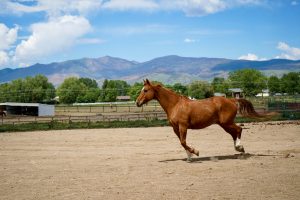
The CHR Alternative: Adoption Done Right
At Colorado Horse Rescue, we believe finding the right horse should be transparent, supportive, and built on trust. When you adopt from CHR, we offer:
✓ Complete transparency: We share each horse’s full history, medical records, training notes, and personality
✓ Expert matching: Our team helps match you with a horse that fits your experience level and goals
✓ Veterinary evaluation: Every horse has been thoroughly examined and received the care they need
✓ Training assessment: Our trainers evaluate and work with each horse so we know their abilities and quirks
✓ Ongoing support: We remain a resource after adoption
✓ Safety net: If circumstances change, every CHR horse is welcome back at the rescue
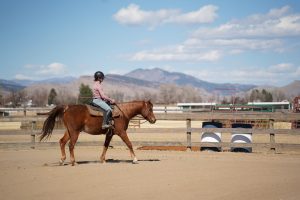
Before You Buy: A Checklist
Before sending any money or signing any papers:
[ ] Have you met the horse in person—multiple times if possible?
[ ] Have you seen the horse handled, groomed, caught, and tacked up?
[ ] Did your own veterinarian perform an independent pre-purchase exam?
[ ] Have you ridden the horse yourself (not just watched someone else ride)?
[ ] Do you have a written bill of sale with both parties’ signatures in addition to a Colorado Brand Inspection document for that horse?
[ ] Does the horse’s registration/identification match what’s being sold?
[ ] Have you researched the market value and confirmed the price is reasonable?
[ ] Are you financially prepared for ongoing costs (board, feed, vet, farrier)?
[ ] Has your trainer or experienced horse person given their approval?
[ ] Does your gut say this is the right horse and the right situation?
If you can’t check every box, pause and reconsider.
Final Thoughts
Buying a horse is one of the most exciting decisions you’ll ever make—and one of the biggest financial and emotional commitments. The horse world is full of wonderful, honest people who genuinely care about their animals finding good homes. But it’s also, unfortunately, full of scammers and unethical sellers.
By staying vigilant, asking questions, trusting your instincts, and refusing to be rushed, you protect yourself and ensure that when you do find your horse, it’s truly the right match.
And remember: responsible rescues like Colorado Horse Rescue exist to provide a safer, more transparent alternative. We’d love to help you find your perfect equine partner.
Ready to start your horse ownership journey the right way?
Visit chr.org to meet our adoptable horses, schedule a tour, or learn more about responsible horse ownership.
Because every horse deserves a safe solution—and every horse lover deserves an honest start.