What Every Rider Should
Know About Head Safety
Horses give us freedom, connection, and joy. But they also come with real risk, even on quiet, everyday rides.
That’s why Traumatic Brain Injury (TBI) Awareness Month matters so much in the horse world.
A simple fall, a sudden spook, or even a moment on the ground can lead to a head injury. Knowing how to protect yourself isn’t about fear. It’s about staying in the saddle for years to come.
More Concussions Than Football
Horseback riding is often seen as peaceful. But when it comes to head injuries, the data tells a different story.
- Horseback riding is a leading cause of sports-related traumatic brain injury in the U.S.
- Nearly half of riders experience at least one concussion in their riding lifetime
- Riding has a higher risk of serious injury per hour than motorcycle riding
Even more surprising, concussions in equestrian sports can occur more often than during football or rugby training. This isn’t to scare you. It’s to give context: head safety in horses matters just as much as in any major sport, if not more.
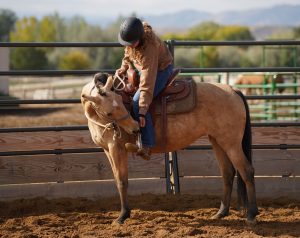
What Happens In a Fall
When you ride, your head is often 8–10 feet off the ground. That height, combined with speed and the unpredictability of a horse, increases the impact of a fall.
Head injuries are also the leading cause of serious injury and death in equestrian accidents
But here’s the important part: Many of these injuries are preventable.
Helmet Basics Every Rider Should Know
A helmet is not just a piece of gear. It’s brain protection. Here’s how to make sure yours is actually doing its job.
1. Use a Helmet Made for Riding
Bike helmets, ski helmets, or other sports helmets are not designed for horse-related falls.
Riding helmets are built to protect against:
- higher falls
- different angles of impact
- repeated movement before impact
Look for helmets that meet ASTM/SEI safety standards, which are recommended for equestrian use. Fit and proper use is the most important part of making sure your helmet will protect you in a fall.
2. Replace Helmet After Every Fall
This is one of the most important rules. Even if your helmet looks fine, the inside may be damaged.
- Helmets are designed to absorb impact once
- After that, they may not protect you the same way
Many riders don’t replace helmets after a fall, even though they should. Even if you are not wearing your helmet, but the helmet is knocked onto the floor, you should replace it.
3. Replace Every 3–5 Years
Materials break down over time. Most experts recommend replacing helmets every 3 to 5 years, even without a fall.
4. Make Sure It Fits Correctly
A helmet should:
- sit level on your head
- not rock forward or backward
- feel snug, not loose
- have a secure, fastened chin strap

Do Helmets Actually Work?
Yes.
- Helmets can reduce the risk of serious head injury by 40–70%
- Some research shows up to 85% reduction in severe head injury risk
They may not prevent every concussion, but they can make the difference between a minor injury and a life-changing one.
Safety Is Part of Horsemanship
At Colorado Horse Rescue, caring for horses also means caring for the people around them.
That includes:
- wearing helmets while riding
- staying aware on the ground
- taking head injuries seriously
- giving your brain time to heal if you’re hurt
Because a safe rider is a consistent, confident partner for a horse.

A Simple Habit That Protects Your Future
Horses don’t mean to hurt us. But they are powerful, and accidents happen quickly. Wearing a helmet, replacing it when needed, and choosing the right one are small decisions that carry real weight. During Traumatic Brain Injury Awareness Month, it’s worth asking: What small step can I take today to protect my future in the saddle? Often, it starts with something as simple as buckling your helmet.